


Employer Branding Agency
Your employer brand is how the talent market perceives your company as a place to work. In a competitive hiring landscape, a strong employer brand is the difference between attracting top talent and losing them to companies that tell a better story.

A stellar example of employer branding done right. Here's why:
- Showcasing Achievements: The post highlights a remarkable milestone—Flight 6, emphasizing the power and innovation behind the 33 Raptor Engines. This conveys the company’s cutting-edge technology and leadership in the space industry.
- Engagement through Visuals: The powerful imagery captures the scale and intensity of SpaceX's work, evoking awe and excitement. It immediately draws attention and communicates the brand's focus on ambitious and groundbreaking endeavors.
- Clear Call to Action: The invitation to join SpaceX is direct and enticing: "If you want to be part of the team…" This connects the impressive achievement to potential career opportunities, making the viewer feel like they can contribute to such milestones.
- Authentic Voice: The tone of the message is informal yet passionate, reflecting the dynamic and innovative culture of SpaceX. It resonates with engineers and innovators who value creativity and impact.
- Focus on Expertise and Impact: By mentioning the team that “designs/produces/tests and launches,” it positions the company as a place for highly skilled professionals to work on groundbreaking projects with tangible results.
This approach positions SpaceX as a dream employer for top talent, combining technological leadership, visual storytelling, and aspirational messaging. It’s a perfect blend of showcasing accomplishments and inviting the right people to join the journey.
Employer branding and internal branding are both branding concepts that focus on employees, but they have different target audiences and objectives:
Employer branding
- Focuses on attracting and retaining potential and current employees by positioning the company as an attractive place to work.
Internal branding
- Focuses on current employees by reinforcing the company's values and mission to them.
A good starting point for a more detailed definition of employee branding is to think of it as a question: “How is your company perceived by current and potential employees?” Organizations with a positive employee brand often have an engaged, motivated workforce that’s willing to advocate for the company’s brand, products, and services.
Employer branding is the process of managing and influencing your reputation as an employer among job seekers, employees and key stakeholders. It encompasses everything you do to position your organization as an employer of choice.
How Everything Design approaches B2B employer branding
The companies that come to us for employer branding usually do not have a business problem. They have a talent problem — the pipeline is healthy, but hiring the right people fast enough is the bottleneck. Employer branding is the tool for that specific job: making the talent market perceive the company the way its best people already do. Your reputation as a place to work is a separate asset from your reputation as a vendor, and it has to be built on purpose.
Start with who you are, not who you should be
Every engagement opens with a discovery workshop, and its discipline is to document who the company actually is rather than who it wishes it were. The uniqueness almost always lives in four places — belief systems, how the company runs projects, how its leaders lead, and the case studies it is proudest of. Aspirational employer branding attracts people to a place that does not exist; they leave when they find the real one.
The careers page and LinkedIn are the highest-ROI channels
If a company does one thing, it should be a real careers page — a designed experience, not a job-board embed — supported by a deliberate LinkedIn presence. A careers subdomain is a clean entry point for companies that want to start without re-architecting the whole site. On LinkedIn, individual employee profiles outperform the company page: a real post from a real engineer reaches the warm, high-trust audience of former classmates and colleagues that no corporate handle can. YouTube plays a quieter role through search, since video transcripts get indexed and build domain authority over time.
Employee films, made as conversations
Employee testimonial videos are the backbone of a strong careers page — but only when they feel real. We run them as guided conversations rather than formal shoots, so people relax into the story. Batching the shoot collapses the per-person cost, and pairing the films with an employee handbook or values document gives candidates something substantive to hold onto alongside the emotion.
Reputation: honesty beats defensiveness
Review responses are employer-brand content whether a company treats them that way or not. The approach that works is to acknowledge what was true and show what has changed — maturity reads far better than copy-pasted, defensive replies that confirm the original complaint.
Perspective content, not summaries
Generic content that summarises what everyone else already published no longer ranks or persuades. Original, perspective-driven content compounds — and because the same qualities that make a candidate want to join make a prospect want to buy, it does double duty across talent and business leads.
It has to match the master brand
Employer branding done in isolation is wasted effort. If the company website and the careers page speak different languages, candidates feel the inconsistency and disengage. Employer branding is the same brand pointed at a different audience — the two have to sound like the same company, which is why we build it inside the broader brand system rather than bolted onto the side.
Employer Brand Consulting and Creative Services
Components of Employer Branding
- A powerful employer brand begins by focusing on your company’s mission statement, values, vision, and culture.
- Next step would be to conduct an employer brand audit
- Workshop with the key stakeholders
Potential Deliverables
- Values Document
- Brand Video - Employee Focused
- Testimonial Videos from the team
- Career Page Redesign
- Space Graphics
- Coffee Table Book
- Illustrations, Team Photography
Samples of the Employer Branding Projects
Video for TCS Research
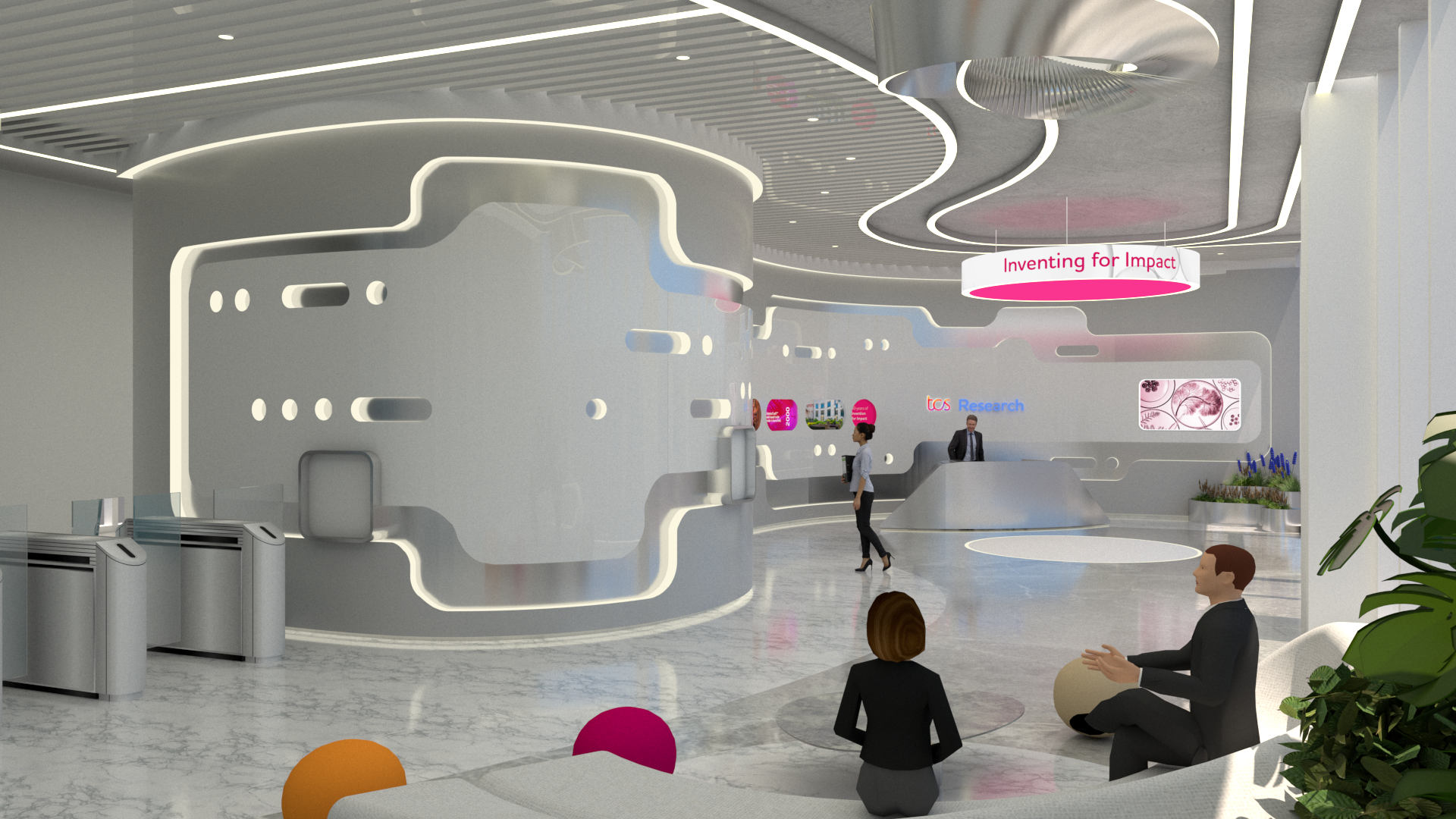
Space Design for TCS Research
Ankercloud Career Page Design, Video of Internal Team
Women's Day Video for Progcap
Space Graphics for Progcap
The Future of Branding: Transforming Your Brand into the Center of Your Company
Imagine your brand not as a set of visual assets, catchy slogans, or polished messaging, but as the very heart of your company. Picture it as a driving force that informs every decision, every interaction, and every experience—whether internal or external. This is the future of branding, where a company’s brand transcends traditional definitions and becomes a living, breathing entity, guiding every aspect of the business.
In this vision, the brand does much more than create a consistent image or promise to customers. It influences how leaders lead, how teams collaborate, how products are built, and how customers are treated. When this happens—when internal and external alignment of a brand occurs—something powerful emerges. The brand becomes real, and it’s felt by everyone who touches it.
The Role of Brand as a Guiding Force
For many businesses today, the brand is often reduced to visuals, messaging, and marketing campaigns. While these elements are important, they represent just the surface of what a brand can truly become. The future of branding goes far deeper than this.
When your brand becomes the core of your company, it becomes a strategic guide for all actions and decisions. Leaders make decisions that reflect the brand’s values. Teams collaborate with a shared understanding of the brand’s purpose. Products are developed with the brand’s mission in mind, ensuring they embody the promises made to customers. Even customer interactions—whether through support, sales, or marketing—are infused with the brand’s personality and tone.
This alignment turns the brand into a powerful, authentic force that both employees and customers can experience. It’s no longer just a logo or tagline; it becomes something everyone believes in, something that influences real actions and results.
When Employees Live the Brand
Internal branding is the process of embedding the brand’s values into the fabric of the organization. It transforms the brand from a superficial concept into a lived experience for employees. When employees believe in the brand, they don’t just work for the company—they embody the brand in their daily tasks and interactions. It becomes part of how they innovate, how they make decisions, and how they collaborate with their peers.
When employees live the brand every day, something profound happens: they feel more connected to their work, more motivated, and more aligned with the company’s vision. This sense of ownership and connection creates a powerful, unified workforce that’s engaged and invested in the brand’s success.
When Customers Feel the Brand
Externally, customers can sense the difference. A brand that’s integrated into every touchpoint creates a consistent, authentic experience for the customer. Whether it’s the tone of a marketing email, the responsiveness of customer support, or the functionality of a product, the brand is present in every interaction. This builds trust and deepens the emotional connection between the customer and the company.
A powerful brand alignment ensures that customers don’t just see a promise in the marketing materials—they experience that promise in their interactions. This closes the gap between what a company says and what it actually delivers. As a result, customers develop a deeper sense of trust and loyalty to the brand, knowing they can rely on the consistency of their experience.
Closing the Gap Between Brand Promise and Brand Delivery
One of the most significant benefits of internal and external alignment is the elimination of the gap between what a brand promises and what it delivers. Often, companies struggle to live up to the expectations they set in their marketing campaigns, leaving customers feeling disappointed or disillusioned. But when a brand is deeply embedded into every layer of the company, this gap disappears.
When the brand is at the center of decision-making, product development, and customer interaction, there is no room for misalignment. What the brand says and what it does become one and the same, creating a seamless experience for customers and employees alike.
The Benefits of a Fully Aligned Brand
The impact of a fully aligned brand is undeniable. When the brand is more than just a marketing tool—when it’s the foundation of how the company operates—everyone benefits:
- Stronger Employee Engagement: Employees who live the brand every day are more engaged, motivated, and aligned with the company’s goals. This creates a more positive, productive work environment.
- Increased Customer Loyalty: Customers feel the authenticity of the brand in every interaction, leading to greater trust and long-term loyalty.
- Consistent Brand Experience: Whether internally with employees or externally with customers, the brand experience becomes consistent and cohesive, strengthening its impact.
- Authentic Growth: With a brand that is lived and felt at every level, companies can grow in a way that is true to their mission and values, ensuring sustainable success.
The Future of Your Brand
The future of your brand lies not in superficial branding efforts but in becoming the core of your company. A brand that shapes leadership, influences decisions, and defines customer experiences is a brand that will thrive in the long term. This deep internal and external alignment will transform your brand into a living force that creates meaningful connections with both employees and customers.
When the gap between what your brand says and what it does disappears, your company will experience the full power of its brand—and the whole organization will benefit. This is the future of branding: not as a static set of visual assets but as the very center of your company’s identity, strategy, and operations.
Why should B2B companies invest in employer branding?
Because the best candidates have options, and they're evaluating your brand long before they apply. A compelling employer brand communicates your culture, values, and growth opportunities in a way that attracts people who are genuinely aligned with your mission. Everything Design builds employer branding systems that include EVP development, career page design, recruitment marketing, and internal communications — everything you need to win the talent war.


Employer Branding
Experts

Swathi Mohan
Content Strategist

Mejo Kuriachan
CEO | Partner | Brand Strategist

Athira Krishnan
Lead Designer | Content Strategist